top of page

Home / Blog / Post

Tokyo Cyberpunk Fashion and Street Style: A Match Made in Heaven

  • Writer: Charles Brown
    Charles Brown
  • Mar 29, 2023
  • 11 min read

Updated: Mar 30, 2023


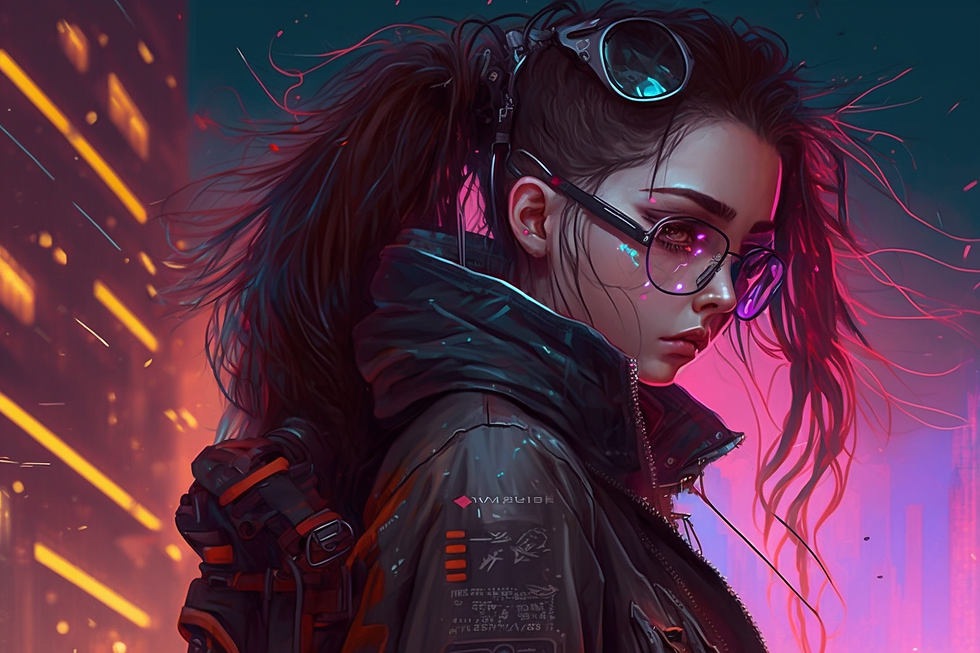
Tokyo is renowned for its avant-garde fashion scene, where the blending of traditional and modern styles has given rise to unique subcultures. Among these subcultures, cyberpunk fashion and street style have emerged as popular styles that reflect the city's fast-paced and innovative spirit.


Cyberpunk fashion typically features futuristic, edgy, and dystopian elements, while street style is characterized by a blend of high and low fashion, with an emphasis on individuality and self-expression. In this essay, we will explore the relationship between cyberpunk fashion and street style in Tokyo, examining the role of urban landscapes, subcultures, and social media in shaping these styles.

The global influence

The popularity of cyberpunk fashion and street style in Tokyo has had a significant impact on fashion trends globally. These styles have become a source of inspiration for designers, stylists, and fashion enthusiasts around the world, as they offer a fresh take on the intersection of technology and fashion.


The fusion of traditional and futuristic elements in cyberpunk fashion, as well as the emphasis on individuality and self-expression in street style, have been particularly influential. Many fashion brands and designers have incorporated elements of these styles into their collections, contributing to their global appeal. Moreover, the popularity of Tokyo's fashion scene has led to increased visibility for Japanese designers, further elevating the influence of these styles on the global fashion landscape.

cyberpunk and street-style - the relationship

Several factors contribute to the relationship between cyberpunk fashion and street style in Tokyo. One key factor is the city's unique urban landscapes, such as its neon-lit streets and blending of old and new architecture, which provide a distinctive backdrop for these styles.


Another factor is the role of subcultures, including music and art movements, which have influenced the development of these styles over time. Finally, social media has played a significant role in promoting and shaping cyberpunk fashion and street style, as fashion bloggers and influencers have leveraged their online platforms to showcase the latest trends and styles. In the following sections, we will explore each of these factors in more detail.

Urban Landscapes

Tokyo's urban landscapes have played a significant role in shaping both cyberpunk fashion and street style. The city's neon-lit streets, in particular, have become a defining feature of cyberpunk fashion, with their futuristic, dystopian ambiance serving as inspiration for many designers and fashion enthusiasts.


Additionally, Tokyo's blending of old and new architecture creates a unique backdrop for street style, with the juxtaposition of traditional Japanese buildings and modern skyscrapers providing an interesting contrast for fashionistas to explore. Many Tokyo neighborhoods, such as Harajuku and Shibuya, have become synonymous with street style, with their bustling streets and vibrant storefronts serving as hubs for fashion-conscious individuals. Overall, Tokyo's urban landscapes have provided a rich and dynamic environment for the development of these styles, creating a fashion culture that is distinctively Japanese yet globally influential.

architecture fusion - an old and new backdrop

The fusion of old and new architecture in Tokyo creates a unique backdrop for both cyberpunk fashion and street style. The city's traditional architecture, such as temples and shrines, provide a historical and cultural context that serves as a contrast to the modern skyscrapers and futuristic structures that dominate the city's skyline. This contrast has inspired many designers and fashion enthusiasts to blend traditional and modern elements in their styles, resulting in a unique aesthetic that is distinctively Japanese.

Moreover, Tokyo's architecture has also played a role in shaping the development of these styles. For instance, the city's dense urban landscape, characterized by its crowded streets and towering buildings, has influenced the design of cyberpunk fashion, with its emphasis on utilitarian and practical clothing that is suited for navigating through an urban environment. On the other hand, street style has been shaped by Tokyo's vibrant neighborhoods, with their eclectic mix of shops and boutiques providing a space for fashion enthusiasts to experiment with different styles and express their individuality.

The fusion of old and new architecture in Tokyo creates a visually stimulating environment that inspires creativity and innovation in both cyberpunk fashion and street style.

cyberpunk locations in Tokyo

There are several locations in Tokyo that have become synonymous with cyberpunk fashion and street style:

Harajuku

This neighborhood is known for its eclectic mix of shops, cafes, and boutiques, and is considered the birthplace of Tokyo's street style culture. Harajuku's Takeshita Street is a popular destination for fashion enthusiasts, where they can find a variety of unique and trendy clothing and accessories.

Shibuya

Another popular neighborhood for street style, Shibuya is known for its bustling streets and neon lights. The Shibuya Crossing, one of the busiest intersections in the world, is a popular spot for street style photography and has become an iconic location for fashion enthusiasts.

Akihabara

This neighborhood is a hub for otaku culture, which is a subculture focused on anime, manga, and video games. Akihabara has become a popular destination for cyberpunk fashion enthusiasts, who are drawn to the neighborhood's futuristic and tech-inspired aesthetic.

Shinjuku

This neighborhood is home to Tokyo's red-light district, which has influenced the development of cyberpunk fashion in the city. Shinjuku's Kabukicho district, in particular, has become a popular destination for cyberpunk fashion enthusiasts, who are drawn to the neighborhood's edgy and dystopian atmosphere.


Overall, these neighborhoods have become key destinations for fashion enthusiasts seeking to explore Tokyo's unique fashion culture, and have helped to shape the development of both cyberpunk fashion and street style in the city.

Subcultures

Subcultures have played a significant role in shaping both cyberpunk fashion and street style in Tokyo. From music and art movements to niche interests and hobbies, subcultures have inspired and influenced the development of these styles over time.

In particular, music has been a major driver of subculture and fashion trends in Tokyo. Genres such as J-pop, rock, and techno have all played a role in shaping the city's fashion culture. For instance, the Harajuku neighborhood, which is known for its vibrant street style, was heavily influenced by the J-pop and rock music scenes of the 1980s and 1990s. The fashion of these music scenes was characterized by colorful, playful, and often outrageous outfits that inspired the development of street style in Tokyo.

Similarly, techno and electronic music have influenced the development of cyberpunk fashion in Tokyo. The futuristic and dystopian themes of these genres have inspired designers and fashion enthusiasts to create clothing and accessories that are inspired by technology and the future.

In addition to music, art movements and niche interests have also played a role in shaping fashion in Tokyo. For instance, manga and anime, which are popular forms of Japanese animation and comics, have inspired many fashion designers to create clothing and accessories that are inspired by these mediums. Cosplay, or costume play, which involves dressing up as characters from manga, anime, and video games, has also influenced the development of cyberpunk fashion in Tokyo, with many fashion enthusiasts incorporating elements of cosplay into their outfits.

Subcultures have played a crucial role in shaping the development of both cyberpunk fashion and street style in Tokyo. From music and art movements to niche interests and hobbies, these subcultures have inspired creativity and innovation in the city's fashion culture, resulting in a unique and globally influential style.

music and manga styles

Music and art subcultures have had a significant influence on both cyberpunk fashion and street style in Tokyo. These subcultures have helped to shape the aesthetics and themes of these styles, resulting in a unique and innovative fashion culture in the city.

Techno and electronic music have been particularly influential in the development of cyberpunk fashion in Tokyo. The futuristic and dystopian themes of these genres have inspired designers and fashion enthusiasts to create clothing and accessories that are inspired by technology and the future. This has led to the development of clothing that features neon colors, geometric shapes, and metallic accents, all of which reflect the futuristic themes of techno and electronic music.

Similarly, manga and anime have had a significant influence on the development of street style in Tokyo. These art forms have inspired many fashion designers to create clothing and accessories that are inspired by the unique and colorful characters found in manga and anime. This has resulted in clothing that features bold patterns, bright colors, and playful designs, all of which reflect the aesthetic of these popular Japanese art forms.

Beyond music and art subcultures, other niche interests and hobbies have also had an influence on these styles. For instance, cosplay has been an important part of Tokyo's fashion culture for many years. Many fashion enthusiasts incorporate elements of cosplay into their outfits, resulting in a unique and eclectic style that reflects the diverse interests and passions of Tokyo's fashion community.

Music and art subcultures have also played a crucial role in shaping the development of cyberpunk fashion and street style in Tokyo. These subcultures have inspired creativity and innovation in the city's fashion culture, resulting in a unique and globally influential style that continues to evolve and inspire new generations of fashion enthusiasts.

The subculture impact on fashion trends

The subcultures that have influenced cyberpunk fashion and street style in Tokyo have evolved over time, and their impact on fashion trends in the city has been significant.

In the 1980s and 1990s, the J-pop and rock music scenes were the driving force behind the development of street style in Tokyo. These music scenes inspired colorful, playful, and often outrageous outfits, which became synonymous with the Harajuku neighborhood. As these music scenes evolved and new ones emerged, so did the fashion trends they inspired.

Similarly, the techno and electronic music scenes have had a significant impact on the development of cyberpunk fashion in Tokyo. As these music scenes have evolved over time, so too have the aesthetics and themes of cyberpunk fashion. For instance, in the 1980s and 1990s, cyberpunk fashion was characterized by leather jackets, ripped denim, and other punk-inspired clothing. In the 2000s and 2010s, however, the focus shifted to futuristic themes, with designers incorporating neon colors, geometric shapes, and metallic accents into their clothing.

Manga and anime have also evolved over time and influenced fashion trends in Tokyo. As new manga and anime series have been released, they have inspired new fashion trends and styles. For instance, the rise of the "kawaii" (cute) aesthetic in the early 2000s was heavily influenced by popular manga and anime series such as Sailor Moon and Cardcaptor Sakura. This trend inspired clothing that featured pastel colors, cute characters, and playful designs.

Overall, the subcultures that have influenced cyberpunk fashion and street style in Tokyo have evolved over time, and their impact on fashion trends in the city has been significant. As these subcultures continue to evolve and new ones emerge, they will continue to inspire new and innovative fashion trends in Tokyo and beyond.

fashion bloggers and influencers

Fashion bloggers and influencers have played a crucial role in promoting and shaping cyberpunk fashion and street style in Tokyo. Through their social media platforms and blogs, these individuals have helped to popularize these styles and bring them to a wider audience.

Many fashion bloggers and influencers in Tokyo have become synonymous with cyberpunk fashion and street style. They often create highly curated and visually stunning content that showcases the latest trends and outfits. By sharing their outfits and fashion inspirations with their followers, these bloggers and influencers have helped to shape the aesthetics and themes of cyberpunk fashion and street style in Tokyo.

Moreover, fashion bloggers and influencers have also helped to connect fashion enthusiasts in Tokyo with each other and with the wider fashion community. They often collaborate with designers and brands to create new looks and styles, helping to push the boundaries of what is possible in terms of cyberpunk fashion and street style.

In addition to promoting these styles through their social media platforms and blogs, fashion bloggers and influencers have also had an impact on the fashion industry in Tokyo. Many brands and designers now collaborate with bloggers and influencers to promote their products and reach new audiences. This has helped to create a symbiotic relationship between the fashion industry and the influencer community, with both sides benefiting from each other's reach and influence.

Bloggers and influencers have played a crucial role in promoting and shaping cyberpunk fashion and street style in Tokyo. Through their social media platforms and blogs, they have helped to bring these styles to a wider audience and connect fashion enthusiasts with each other and with the wider fashion community.

Tokyo's viral fashion

Social media has played a key role in facilitating the spread of Tokyo's fashion trends globally. Platforms like Instagram, Twitter, and TikTok have given designers, fashion bloggers, and influencers in Tokyo a powerful tool for sharing their latest designs and styles with a worldwide audience.

By using popular hashtags like #TokyoFashion and #HarajukuFashion, designers and influencers in Tokyo can connect with fans and followers around the world who share their interest in cyberpunk fashion and street style. This has helped to create a global community around these styles, with fans and enthusiasts in other parts of the world looking to Tokyo for inspiration and guidance.

Moreover, social media has made it easier for designers and brands in Tokyo to reach a global audience. By creating visually stunning content and sharing it on social media platforms, designers can showcase their latest collections and connect with potential customers in other parts of the world. This has helped to break down traditional barriers to entry in the fashion industry, allowing designers in Tokyo to build global brands without the need for significant investment in marketing and distribution.

Finally, social media has also enabled fans and enthusiasts of cyberpunk fashion and street style in other parts of the world to connect with designers and influencers in Tokyo directly. Through platforms like Instagram, fans can reach out to their favorite designers and influencers, ask for advice on styling and outfit ideas, and even purchase clothing and accessories directly from them. This has helped to create a more democratic and inclusive fashion community, where fans and enthusiasts can participate in the creation and evolution of these styles alongside designers and influencers.

Social media has played a crucial role in facilitating the spread of Tokyo's fashion trends globally. By connecting designers, influencers, and fans around the world, social media has helped to create a global community around cyberpunk fashion and street style, inspiring new generations of designers and fashion enthusiasts around the world.

Conclusion

In conclusion, the relationship between cyberpunk fashion and street style in Tokyo is influenced by a number of key factors. Firstly, the city's unique urban landscapes, such as its neon-lit streets and fusion of old and new architecture, provide a backdrop for these styles. Secondly, the role of subcultures, such as music and art movements, have played a significant role in shaping the evolution of these styles.


Finally, the impact of social media has facilitated the spread of Tokyo's fashion trends globally, connecting designers, influencers, and fans around the world and creating a global community around cyberpunk fashion and street style. Together, these factors have contributed to the unique and dynamic fashion culture of Tokyo, inspiring new generations of designers and fashion enthusiasts around the world.

Enduring popularity

In recent years, we have seen a resurgence of interest in cyberpunk fashion and street style, with fashion brands and retailers around the world embracing these styles in their collections. The influence of Tokyo's fashion culture can be seen in the popularity of oversized and layered clothing, chunky footwear, neon colors, and bold prints in global fashion trends.

Overall, the enduring popularity of cyberpunk fashion and street style in Tokyo can be attributed to their unique blend of streetwear and futuristic elements, as well as the role of Tokyo's urban landscapes, subcultures, and social media in shaping their evolution. As these styles continue to inspire designers and fashion enthusiasts around the world, we can expect to see their influence on global fashion trends endure for years to come.

technology and culture

As with any fashion trend, cyberpunk fashion and street style in Tokyo will continue to evolve in response to changes in technology and culture. Advances in technology, such as wearable tech, may inspire designers to incorporate new features and materials into their designs, while changes in cultural attitudes towards sustainability and ethical fashion may impact the materials and production methods used in these styles.

Additionally, the impact of social media on fashion culture is likely to continue shaping the evolution of these styles. As social media platforms evolve and new ones emerge, designers and influencers in Tokyo may find new ways to connect with their global audiences and promote their designs.

Moreover, the ongoing influence of subcultures in Tokyo, such as music and art movements, may inspire new iterations of cyberpunk fashion and street style. As these subcultures evolve and new ones emerge, designers may incorporate elements of these movements into their designs, leading to new and exciting variations of these styles.

In short, the potential for cyberpunk fashion and street style in Tokyo to continue evolving in response to changes in technology and culture is vast. As these styles continue to inspire designers and fashion enthusiasts around the world, we can expect to see their evolution reflect the ever-changing landscape of fashion and culture.

Comments

Rated 0 out of 5 stars.
No ratings yet

Add a rating
bottom of page