The Role of Sustainability in Cyberpunk Fashion
- Charles Brown
- Mar 30, 2023
- 9 min read
Updated: Apr 17, 2023

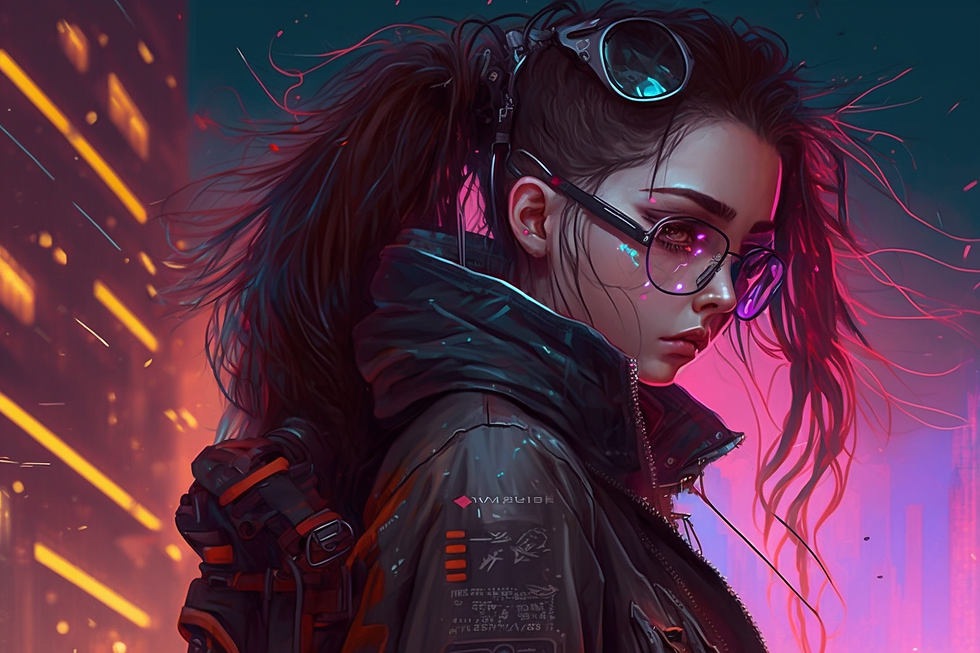
Cyberpunk fashion is a subculture of fashion that draws inspiration from science fiction, cybernetics, and dystopian themes. It typically features dark colors, leather, metal, and futuristic designs. Cyberpunk fashion has become increasingly popular in Tokyo due to the city's vibrant street fashion scene and its association with technology and innovation. The city's reputation as a hub for Anime and video-game culture has also contributed to the rise of cyberpunk fashion among young people.
Importance of considering sustainability and ethics in the fashion industry
Considering sustainability and ethics in the fashion industry is crucial for a number of reasons. Firstly, the fashion industry is one of the most polluting industries in the world, with high levels of waste, carbon emissions, and water consumption. This has negative impacts on the environment, such as contributing to climate change and pollution of land and waterways.
Secondly, the fashion industry has been criticized for exploiting labor, particularly in developing countries where garment production is often outsourced. This raises concerns about fair labor practices and workers' rights. Additionally, fashion has been criticized for perpetuating harmful social norms and stereotypes through its marketing and design choices. Therefore, it is important for the fashion industry to consider sustainability and ethics in order to minimize its negative impact on the environment and society.
This article will undertake a critical examination of the impact of cyberpunk fashion on both the environment and society, with a particular focus on identifying sustainable and ethical practices that can help to mitigate any negative effects. Through an analysis of the environmental and social impacts of cyberpunk fashion, this article aims to highlight the importance of promoting sustainability and ethical practices within the fashion industry, and provide practical recommendations for achieving this goal.
Environmental impact of cyberpunk fashion
The first main point to be discussed is the environmental impact of cyberpunk fashion. This section will explore the negative effects that cyberpunk fashion has on the environment. This includes the use of synthetic and non-biodegradable materials, high levels of energy consumption and carbon emissions in production and transportation, and waste and pollution generated from the disposal of clothing.
It has become important to highlight the need for sustainable and environmentally-friendly practices within the fashion industry, and to consider how cyberpunk fashion can be made more sustainable through the use of alternative materials, reduced energy consumption, and improved waste management practices.
Use of synthetic and non-biodegradable materials
One significant environmental impact of cyberpunk fashion is the use of synthetic and non-biodegradable materials. Many cyberpunk garments feature materials such as PVC, polyester, and nylon, which are derived from non-renewable sources and are not biodegradable. When these materials are disposed of, they contribute to the accumulation of waste in landfills and the pollution of waterways. Furthermore, the production of these materials often involves the use of harmful chemicals and large amounts of energy, which can have a negative impact on the environment.
To mitigate the environmental impact of cyberpunk fashion, designers and manufacturers could consider using alternative materials that are sustainable and biodegradable, such as organic cotton, bamboo, and hemp. These materials are often more environmentally friendly and require less energy to produce. Additionally, recycling and upcycling could be used to reduce waste and extend the life of materials. By using sustainable materials and reducing waste, the fashion industry can minimize its impact on the environment.
Energy consumption and carbon emissions in production and transportation
Another environmental impact of cyberpunk fashion is the high levels of energy consumption and carbon emissions associated with its production and transportation. The production of clothing requires energy for manufacturing, transportation, and distribution. This energy consumption contributes to greenhouse gas emissions, which contribute to climate change.
To reduce energy consumption and carbon emissions, designers and manufacturers could consider using renewable energy sources, such as solar or wind power, in their production facilities. Additionally, they could implement more efficient production methods and use transportation methods that have a lower carbon footprint, such as electric vehicles or trains. Consumers can also play a role in reducing the carbon footprint of cyberpunk fashion by choosing to buy locally-produced garments, or by buying second-hand clothing. By reducing energy consumption and carbon emissions in the production and transportation of clothing, the fashion industry can help mitigate its impact on the environment.
Waste and pollution generated from disposal of clothing
The disposal of clothing is another significant environmental impact of cyberpunk fashion. Clothing that is not biodegradable or recyclable ends up in landfills, where it can take hundreds of years to decompose. This contributes to the accumulation of waste and pollution in the environment. Furthermore, the production and disposal of clothing generate greenhouse gas emissions, contributing to climate change.
To mitigate the environmental impact of clothing disposal, designers and manufacturers could consider using biodegradable and recyclable materials, as well as implementing closed-loop production systems that recycle waste and reduce the amount of waste generated. Additionally, consumers can play a role in reducing clothing waste by donating or recycling clothing, or by buying second-hand clothing. By reducing waste and pollution generated from the disposal of clothing, the fashion industry can help to minimize its impact on the environment.
Social impact of cyberpunk fashion
Cyberpunk fashion can perpetuate harmful social norms and stereotypes, as well as contribute to labor exploitation and poor working conditions. There is a need for ethical practices within the fashion industry, and considerations of how cyberpunk fashion can be made more socially responsible through fair labor practices, diversity and inclusion, and responsible marketing and design choices.
Labor exploitation in manufacturing and supply chain
One of the major social impacts of cyberpunk fashion is the potential for labor exploitation in manufacturing and the supply chain. The fashion industry is notorious for low wages, poor working conditions, and even forced labor in some cases. Many cyberpunk fashion brands rely on cheap labor in developing countries, where workers may not have access to fair labor practices or legal protections.
To address labor exploitation in the fashion industry, brands and manufacturers can prioritize fair labor practices and ensure that workers are paid a living wage, provided with safe working conditions, and given the right to unionize. Brands can also consider using certifications such as Fair Trade or the Global Organic Textile Standard to ensure that their products are produced ethically. By prioritizing fair labor practices, the fashion industry can work towards more ethical and responsible production methods.
Cultural appropriation and lack of diversity and inclusivity in design and marketing
Another social impact of cyberpunk fashion is the potential for cultural appropriation and lack of diversity and inclusivity in design and marketing. Cyberpunk fashion often draws inspiration from various cultures and subcultures, but without proper acknowledgment or representation, it can perpetuate harmful stereotypes and contribute to cultural erasure. Additionally, the lack of diversity and inclusivity in the design and marketing of cyberpunk fashion can exclude marginalized communities and perpetuate a narrow standard of beauty and identity.
To address these issues, designers, and brands can prioritize cultural sensitivity and diversity, and inclusivity in their design and marketing choices. This can include collaborating with artists and designers from diverse backgrounds, providing representation for underrepresented communities in advertising and branding, and being transparent about the cultural influences behind their designs. By embracing cultural sensitivity and diversity and inclusivity, the fashion industry can help to create a more equitable and representative space.
Consumerism and fast fashion culture perpetuated by cyberpunk fashion trends
Finally, another social impact of cyberpunk fashion is the perpetuation of consumerism and fast fashion culture. Fast fashion refers to the practice of quickly producing and selling inexpensive clothing, often at the expense of quality, durability, and ethical labor practices. This creates a culture of disposable fashion and encourages consumers to constantly buy new clothing, contributing to waste and pollution.
To address this issue, designers and brands can focus on creating high-quality, durable clothing that is designed to last, rather than disposable fashion. Additionally, they can prioritize responsible marketing practices that emphasize the value of sustainable and ethical fashion. Consumers can also play a role in reducing the impact of fast fashion by buying second-hand clothing or investing in high-quality, sustainably produced garments. By promoting sustainable and ethical fashion practices, the fashion industry can help to reduce the environmental and social impact of cyberpunk fashion trends.
Sustainable and ethical practices in cyberpunk fashion
We should explore different approaches and strategies for mitigating the negative environmental and social impacts of cyberpunk fashion. By incorporating sustainable and ethical practices into the production and consumption of clothing, the fashion industry can work towards a more responsible and sustainable future.
Some of the sustainable and ethical practices that can be implemented include using eco-friendly and biodegradable materials, implementing closed-loop production systems, prioritizing fair labor practices, embracing diversity and inclusivity, and promoting responsible consumption and marketing practices. By adopting these practices, the fashion industry can work towards a more sustainable and equitable future.
Use of sustainable materials such as organic and recycled fabrics
One key sustainable practice that can be incorporated into cyberpunk fashion is the use of eco-friendly and sustainable materials such as organic and recycled fabrics. This can help to reduce the negative environmental impact of clothing production by minimizing the use of non-renewable resources and reducing waste.
Organic fabrics, for example, are grown without the use of harmful pesticides and chemicals, which can be harmful to both the environment and workers. Recycled fabrics are created by repurposing existing materials, reducing the need for new resources, and minimizing waste. By prioritizing sustainable materials in clothing production, the fashion industry can work towards a more responsible and sustainable future.
Fair labor practices and transparency in supply chain
Another important sustainable and ethical practice fashion is the implementation of fair labor practices and transparency in the supply chain. This means prioritizing fair wages, safe working conditions, and worker protections throughout the production process. Additionally, brands and designers can prioritize transparency by openly sharing information about their supply chain and production processes, allowing consumers to make informed choices about the clothing they purchase.
By prioritizing fair labor practices and transparency, the fashion industry can work towards a more equitable and responsible future. This can help to ensure that workers are treated fairly and with respect and that the environmental impact of clothing production is minimized. Consumers can also play a role in promoting fair labor practices by supporting brands and designers that prioritize worker protection and transparency in their supply chains.
Inclusive and culturally respectful design and marketing
Designing and marketing clothing in a way that is inclusive and culturally respectful is another important sustainable and ethical practice. This means prioritizing diversity and inclusivity in design and production and avoiding cultural appropriation or insensitivity. By embracing diverse perspectives and experiences, designers and brands can create clothing that resonates with a wider range of consumers and promotes a more inclusive and equitable fashion industry.
In addition, responsible marketing practices can help to reduce the negative impact of cyberpunk fashion trends. This includes promoting responsible consumption practices and avoiding marketing that encourages overconsumption or disposable fashion. By prioritizing inclusivity and responsible marketing, the fashion industry can work towards a more sustainable and ethical future.
Promotion of slow fashion and conscious consumption habits among consumers

One more sustainable and ethical practice in cyberpunk fashion is promoting slow fashion and conscious consumption habits among consumers. This means encouraging consumers to prioritize quality over quantity, invest in clothing that is made to last, and avoid disposable or fast fashion trends. By promoting conscious consumption habits, the fashion industry can help to reduce the negative environmental impact of clothing production and promote a more sustainable and responsible fashion culture. Promoting slow fashion can help to promote responsible and sustainable production practices. This includes prioritizing small-batch production, made-to-order options, and reducing waste throughout the production process. By embracing slow fashion and conscious consumption habits, the fashion industry can work towards a more sustainable and responsible future.
Conclusion
We have examined the impact of cyberpunk fashion on the environment and society and explored sustainable and ethical practices that can mitigate negative effects. The use of synthetic and non-biodegradable materials, energy consumption and carbon emissions, waste, and pollution generated from the disposal of clothing, labor exploitation, cultural appropriation, lack of diversity and inclusivity, and fast fashion culture were identified as key challenges facing the cyberpunk fashion industry. However, the implementation of sustainable and ethical practices such as the use of eco-friendly materials, fair labor practices, transparency in supply chains, inclusive and culturally respectful design and marketing, and promotion of slow fashion and conscious consumption habits can help to mitigate these challenges and promote a more sustainable and responsible fashion industry.
Call to action
It is important to emphasize the urgent need for the fashion industry and consumers to prioritize sustainability and ethics in fashion choices. The fashion industry must take responsibility for its environmental and social impact, and implement sustainable and ethical practices throughout the entire supply chain. This includes embracing eco-friendly materials, reducing carbon emissions and waste, promoting fair labor practices, and prioritizing diversity and inclusivity in design and marketing.
At the same time, consumers also have an important role to play in promoting sustainability and ethics in fashion. By choosing responsible and sustainable fashion options, promoting conscious consumption habits, and holding fashion brands accountable for their environmental and social impact, consumers can help to drive positive change in the fashion industry.
We must recognize the power of fashion to make a positive impact on our planet and society. Let us all work together towards a more sustainable and equitable fashion future.
Final thoughts
In recent years, cyberpunk fashion has emerged as a popular trend among fashion enthusiasts, with its futuristic and edgy aesthetic drawing attention from around the world. While the fashion industry as a whole faces significant environmental and social challenges, cyberpunk fashion has the potential to lead the way toward a more sustainable and equitable future for fashion.
Overall, while the fashion industry as a whole faces significant environmental and social challenges, the potential for fashion to lead the way toward a more sustainable and equitable future is promising. By embracing sustainability and ethics, the fashion industry and cyberpunk fashion in particular can inspire positive change and promote a more responsible and equitable fashion culture for generations to come.


Comments